A SAUCERFUL OF SECRETS - REVIEW
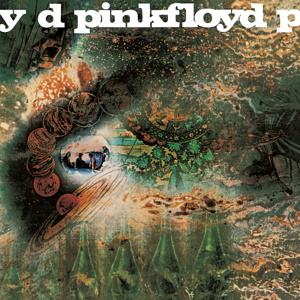
Let There Be More Light starts the album off with a rolling guitar riff with discordant organ played in the background - then the weird breathy lyrics come in and the song goes full hippie, emulating the sounds of the time (particularly The Beatles LSD experimental stuff again). It plods along in a regular march tempo until it fades into jangled twangs and rhythmic cymbal hits.
Next, Remember a Day is a another twee song that can't seem to settle on a deliberate pace. The lyrics are simplistic and ghostly, and the drumming really seems to crowd the rest of the song. The song is ultimately forgettable, unfortunately.
Set the Controls for the Heart of the Sun has a quiet, subtle start, and it never really revs up to a full speed. It's a very soft and calm song. It does some funky stuff with xylophones that I find actually works quite well in a PF song, and the whole thing sounds a bit sci-fi; I'm pretty sure I heard a theremin in there somewhere.
Corporal Clegg has more of a classic rock backing, but quickly devolves into circus noises and kazoo strangeness. It's something of an homage to the Beatles Sergeant Pepper album (released a year prior), and ends with random sound effects, which I've never found especially musical.
A Saucerful of Secrets is the big, 12-minute song (composed of 4 songs, according to Wikipedia -Something Else; Syncopated Pandemonium; Storm Signal; and Celestial Voices). It starts off sounding like a "Sounds of Halloween" album, with sullen organ chords and strange wailing echoes (Something Else). It transitions into a rhythmic, almost jungle-sounding drum line with disconnected piano slamming in the background and zany sci-fi sound effects layered over top (Syncopated Pandemonium). The next bit veers into a dull, quiet roaring sound with more haunting organ music played over what sounds like windchimes (Storm Signal). Finally we end on what I can only describe as a cosmic funeral procession - sad organ music playing over tinkling glass sounds and random sci-fi noises, transitioning to a morose choir chanting (Celestial Voices). Overall, the whole song felt like something you could play for atmosphere in a haunted house.
See-Saw takes a very jaunty twist from the last song, being immediately upbeat and bubbly. Again it emulates the sounds of the time, but some odd stereo sound-mixing choices makes this one stand out from the pack. It does a strange thing where it blends musical styles of the '50s and '60s together into one patchwork weirdness that's kind of all over the place.
Lastly, we end the album on Jugband Blues, a folksy song with more kazoos and marching rhythms that reminds of a circus, complete with fanfare trumpets. It abruptly drops away into an acoustic guitar bit that wraps up the album in a very final way.
Overall: PF is definitely reaching to find their sound now, dipping into the experimental "cosmic circus" style on this album. The songs ultimately felt unfocused, with most of the album sounding like someone striking random keys on an organ/piano over a consistent drum rhythm, and then throwing some sound effects onto the pile and calling it a wrap. To me it just feels like PF is trying too hard to match some of the existing sounds of the '60s, and rather than looking at why those sounds were successful, they just blatantly churned it out en-masse, resulting in an album that's all over the place and not especially memorable.

.jpg)


No comments:
Post a Comment